Learning Translation
Learning translation is a rewarding journey that combines language skills, cultural understanding, and technical know-how. It’s not just about replacing words from one language with words from another; it’s about conveying meaning, tone, and intent.
Here is a comprehensive guide on how to learn translation, broken down into manageable steps.
Phase 1: Build a Rock-Solid Foundation
You cannot translate well without a deep understanding of both your source (the language you’re translating *from*) and target (the language you’re translating *into*) languages.
1. Master Your Languages:
Source Language (e.g., Japanese, Spanish, and German): You need excellent reading comprehension. You must understand not just the dictionary meaning, but also idioms, cultural references, humor, slang, and nuance.
Target Language (usually your native language): This is even more critical. You must have a superior command of your native language. This means a rich vocabulary, impeccable grammar, and the ability to write clearly, persuasively, and naturally for different audiences.
2. Develop Cultural Literacy:
Language is a product of culture. Watch movies, read news articles, follow social media influencers, and listen to music in your source language. Understand the context in which certain phrases are used. Why is a simple “yes” sometimes a “no” in a specific culture?
Phase 2: Learn the Theory and Practice the Craft
- Study Translation Theory (The “Why”):
You don’t need a PhD, but understanding basic concepts is crucial.
Domestication vs. Foreignization: Should the translation feel completely natural to the target reader (domestication), or should it retain some “foreignness” to preserve the original’s cultural flavor (foreignization)? There’s no single right answer; it depends on the text and purpose.
Formal vs. Dynamic Equivalence: Is your priority the literal, word-for-word meaning (formal) or the conceptual, thought-for-thought meaning (dynamic)? Modern translation heavily favors dynamic equivalence for everything except legal documents.
Skopos Theory: The purpose (skopos) of the translation determines the translation methods. Translating a medical manual requires a different approach than translating a video game.
- Practice, Practice, Practice (The “How”):
Start small and be consistent.
Begin with Simple Texts: Translate news headlines, short articles, product descriptions, or comic strips.
Reverse Translation: Translate a text from your source language to your target language. Then, a day or two later, translate your *own* translation back into the source language without looking at the original. Compare your back-translation with the original. This is a fantastic way to see where you deviated.
Compare Professional Translations: Find a book or article that has been professionally translated. Read a paragraph in the source language, try to translate it yourself, and then compare it with the published version. Analyze the choices the professional translator made. Why did they phrase it that way?
Phase 3: Develop Specialized Skills and Use Tools
- Choose a Specialization:
- General translators are common, but specialists earn more and are in higher demand. What interests you?
- Technical Translation: Manuals, datasheets, engineering documents.
- Legal Translation: Contracts, certificates, litigation documents.
- Medical Translation: Clinical trial reports, patient information, pharmaceutical documents.
- Literary Translation: Novels, poetry, short stories.
- Localization: Adapting software, websites, and games for a target market (this goes beyond translation to include UI, currency, date formats, and cultural taboos).
- Learn to Use Technology (CAT Tools):
Computer-Assisted Translation (CAT) tools are industry standard. They don’t auto-translate for you (that’s machine translation); they *help* you translate more efficiently and consistently.
Key Features: Translation Memories (TM), Terminology Databases (Glossaries).
Popular Tools: MemoQ, Trados Studio, and Smartcat are widely used. Many offer free or trial versions for beginners.
- Understand Machine Translation (MT) and Post-Editing (MTPE):
Machine Translation (like Google Translate, DeepL) is powerful but imperfect. A huge market exists for Post-Editing**: human translators reviewing and correcting machine-translated output. Learn how to work with MT effectively.
Phase 4: Refine Your Work and Build a Career
- The Revision Loop (Self-Editing):
Your first draft is never your final draft. Always follow this process:
- Translate: Get the meaning down.
- Revise: Walk away, then come back and read your translation as a standalone text in the target language. Does it flow? Is it natural? Fix awkward phrasing.
- Compare: Line-by-line check against the source text. Did you miss anything? Add anything?
- Proofread: Do a final check for typos, grammar, and punctuation.
- Get Feedback:
- Join translator communities (like https://proz.com or https://translatorscafe.com).
- Find a mentor.
- Form a peer-review group with other learners.
- Formal Education vs. Self-Study:
University Degrees: BA, MA, or even PhD in Translation Studies. Provides a strong theoretical foundation and networking opportunities.
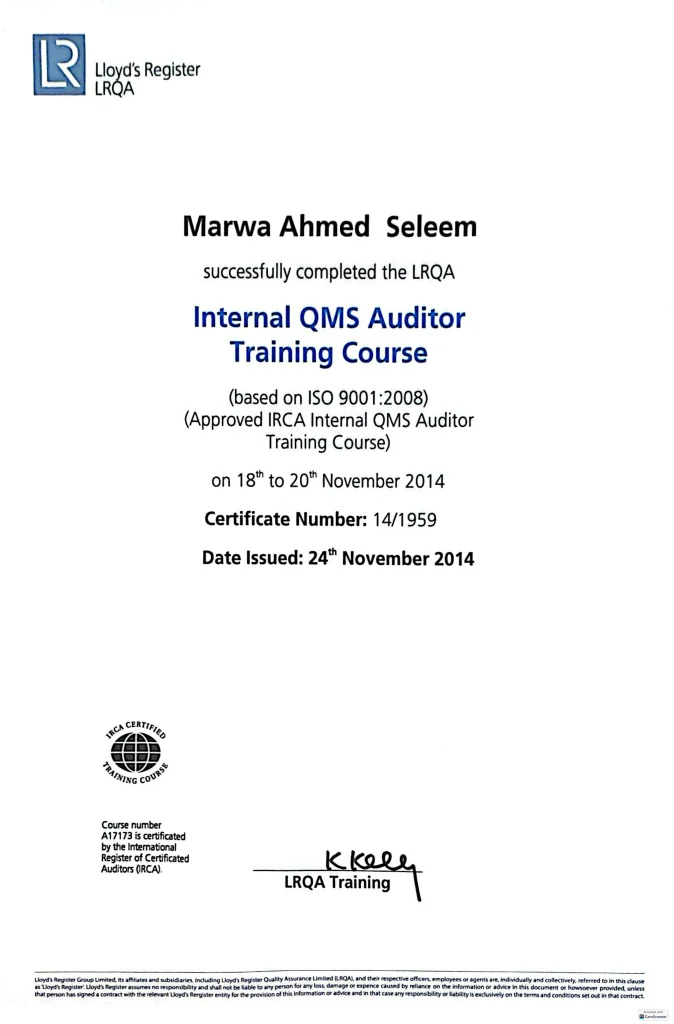
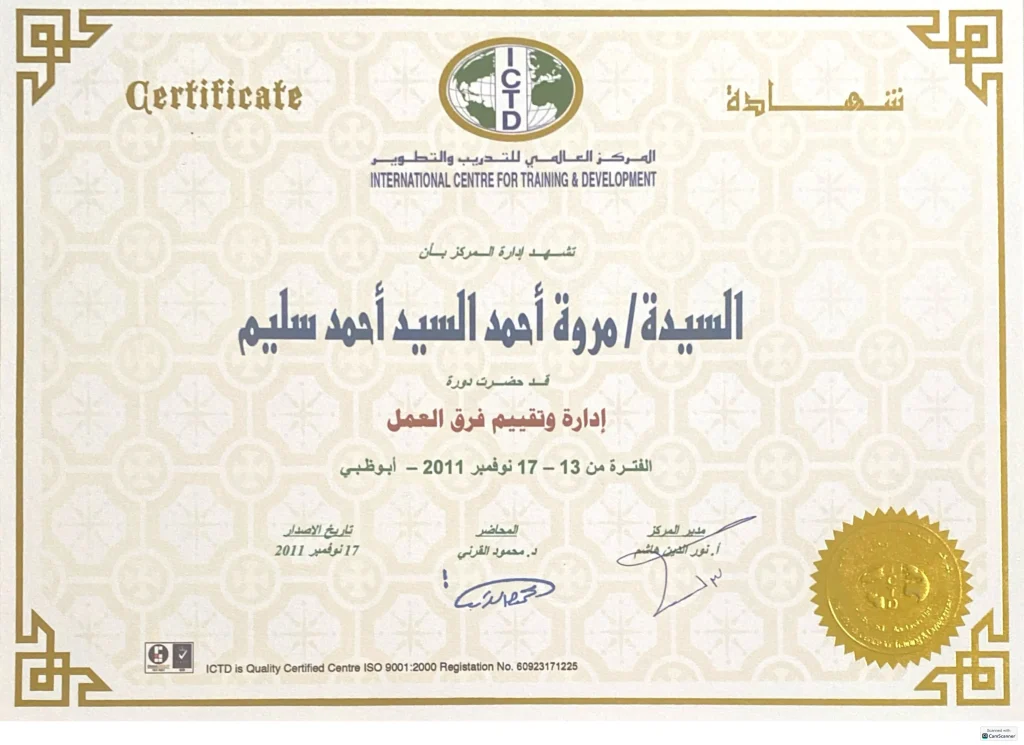
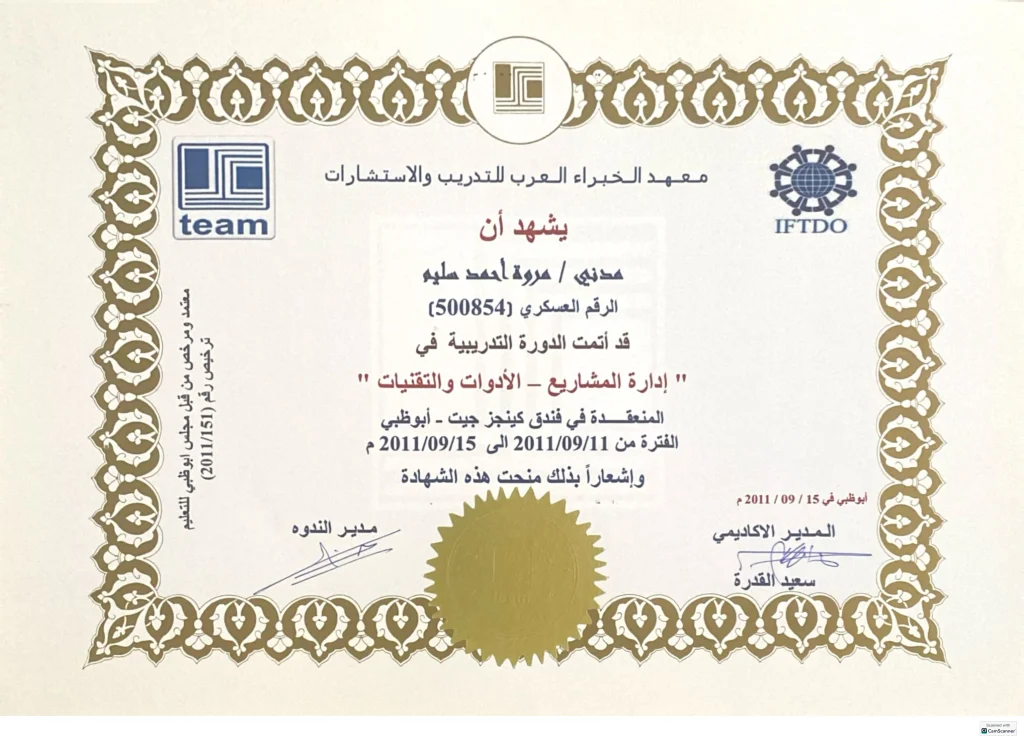
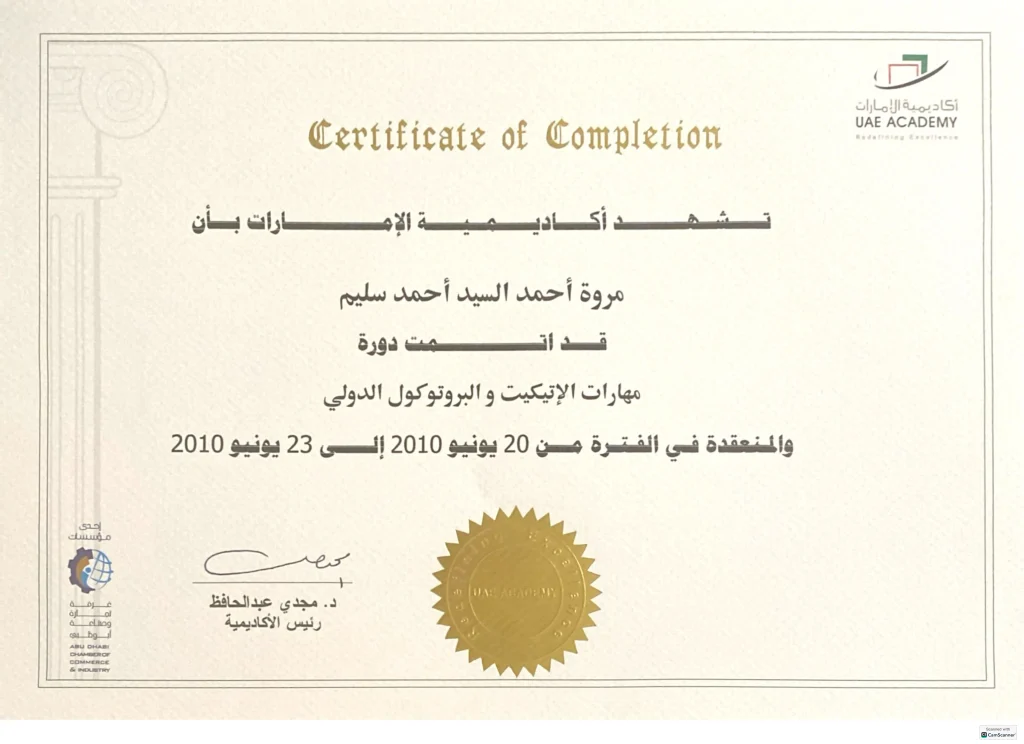
Certificates: Many universities and professional bodies offer shorter, focused certificate programs.
Self-Study: Entirely possible with the wealth of online resources, books, and practice. It requires immense discipline.
Recommended Resources
Books:
The Translator’s Invisibility by Lawrence Venuti
Becoming a Translator by Douglas Robinson
In Other Words by Mona Baker (a coursebook on translation theory)
Websites & Communities:
https://proz.com: The largest community for translators. Great for job boards, forums, and networking.
https://translatorscafe.com: Another popular platform for jobs and discussions.
TAUS (Translation Automation User Society): Excellent resources on technology and industry trends.
Summary: Your Learning Path
1. Assess & Hone: Honestly evaluate your language skills in both source and target languages. Work on your weaknesses.
2. Learn the Basics: Read a book on translation theory to understand the core principles.
3. Practice Daily: Start with small, manageable projects. Use the reverse and comparative translation techniques.
4. Specialize & Tool Up: Pick an area that interests you and learn the relevant CAT tool.
5. Refine & Connect: Develop a strict self-revision routine and connect with the professional community.
Learning translation is a marathon, not a sprint. Be patient, curious, and critical of your own work. Good luck